



- Room Plans
- Jan 19
2026-02-10
Organizing children's toys can seem like a daunting task, but it can profoundly impact their play experience and overall development. What if you could turn that chaos into a serene environment that promotes creativity, responsibility, and independence? Here are some practical strategies to help you achieve just that!
Explore the key strategies for organizing children's toys effectively and maintaining an organized play space over time.
Organizing children's toys is more than just making a room look tidy; it plays a crucial role in creating a functional play environment. When toys are neatly organized, children can easily find what they want to play with, which reduces frustration and enhances their play experience. An orderly space also promotes creativity and focus, allowing kids to immerse themselves in imaginative play without the distractions of clutter. For more tips on maintaining order, check out these simple daily organization tips.
Additionally, taking the time to organize toys can help foster a sense of responsibility in children. By teaching them where things belong, we empower them to take charge of their belongings and understand the value of maintaining a clutter-free space. This not only benefits their playtime but also instills good habits for the future.
As parents, we often face common challenges when it comes to managing toy clutter. One of the biggest hurdles is the sheer volume of toys that can accumulate over time. It’s easy to lose track of what we have, leading to a chaotic environment where children can feel overwhelmed. This can make playtime less enjoyable and more stressful!
Another challenge is the emotional attachment children have to their toys. Many kids find it difficult to part with items, even those they no longer play with. This reluctance can create a tug-of-war between parents who want a tidy space and children who want to hold onto every toy. Understanding these challenges is the first step towards an effective decluttering strategy!
Sorting toys is a vital part of the organization process. Start by categorizing them into four groups: keep, donate, recycle, and discard broken items. This method makes it easier to see what you have and what needs to go. Here’s how you can do it:
It’s a simple, effective approach that can transform a chaotic toy area into a more manageable space! Involving children in this process not only helps them learn about organization but also makes the experience more enjoyable.
Getting kids involved in the decluttering process can be a game changer! Start by letting them lead the selection process. Set limits on the number of toys they can keep—this encourages them to think critically about their belongings. Ask questions like, “What’s your favorite toy?” or “Which ones do you play with the most?”
By doing this, children can feel a sense of control over their space, making it easier for them to let go of toys that don’t spark joy anymore. Plus, it’s a wonderful bonding experience that can strengthen your relationship! For more insights, explore decluttering tips for Aussie parents.
A toy rotation system is a fantastic way to keep playtime fresh and engaging. The idea is simple: instead of having all toys available at once, you rotate them regularly. This keeps the excitement alive and allows children to rediscover toys they may have forgotten about. Here’s how to implement a rotation system:
By rotating toys, you not only reduce clutter but also enhance their play value! Children are more likely to be engaged when they have fresh options to explore.
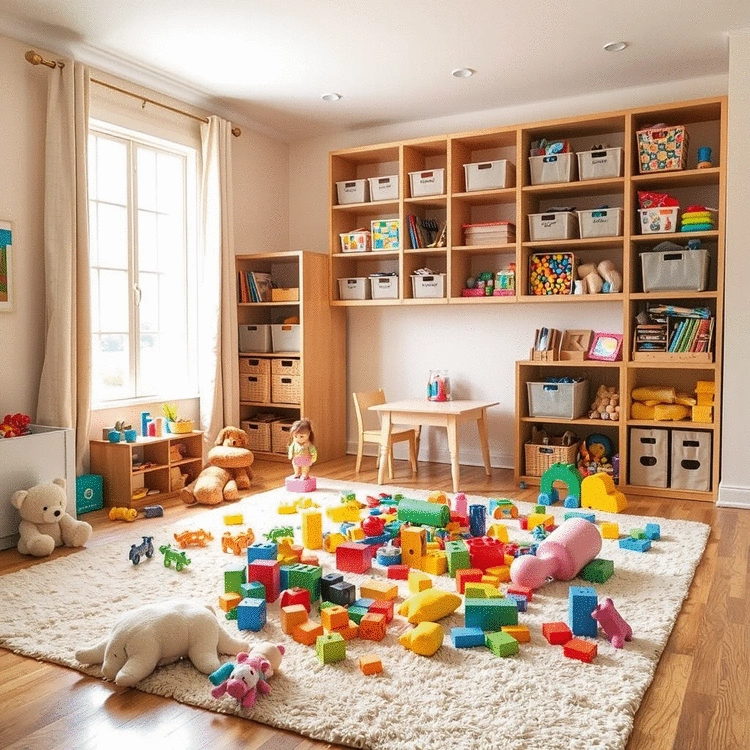
Creating designated zones for toy storage can drastically improve organization and efficiency. Use bins, shelves, and labels to categorize toys by type or age. Here are some effective storage ideas:
These methods not only make clean-up easier but also teach children where to find and put away their toys, fostering a sense of ownership in maintaining their space. Implementing these strategies at Clutter Free Down Under has helped many families create serene, organized play areas!
The Montessori method emphasizes independence and respect for a child’s natural development, which can significantly influence how we organize toys. By providing children with accessible, neatly arranged toys, we empower them to choose their play activities freely. This nurtures their ability to focus and enhances their sense of responsibility!
Incorporating Montessori principles into your organization strategy can also encourage children to care for their belongings. By allowing them the freedom to decide what to play with, you’ll help cultivate their decision-making skills as well as their creativity. This approach resonates well with the values of Clutter Free Down Under, which is all about creating spaces that inspire and uplift!
Once you’ve managed to organize toys, it's essential to establish cleanup habits that will help maintain the order. One effective strategy is to schedule regular cleanup sessions with your kids. Make it a fun routine—perhaps a quick tidy-up before snack time or bedtime!
By involving children in cleanup, you encourage accountability and instill a sense of pride in their organized space. Trust me, it makes a world of difference!
Measuring the effectiveness of your decluttering process is key to long-term success. Take visual before-and-after assessments to see the transformation! This can be a great motivator for everyone involved.
Consider keeping a journal or a simple checklist to track progress—write down what works and what doesn’t. Celebrate small victories with your children, reinforcing the importance of maintaining a clutter-free space. It's all about creating a supportive environment that encourages continuous improvement!
Did you know? Involving children in the organization process can significantly enhance their sense of responsibility. Not only does it teach them valuable skills, but it also makes the experience more enjoyable! Consider transforming sorting into a fun game where they can earn points for each toy they choose to donate or recycle.
As a parent, safety is always a top priority, especially when it comes to our little ones and their toys. One way to ensure safety is by organizing toys effectively. By addressing safety considerations, we can make playtime enjoyable and risk-free. At Clutter Free Down Under, I believe that every step you take in organizing toys can make a difference in keeping your children safe!
One important aspect to focus on is identifying toys that could pose choking hazards. This is particularly crucial for younger children who may still explore the world by putting things in their mouths. Regularly check for small items, and consider separating them from larger toys to keep your play area safe and fun. For more ideas on organizing specific areas, check out tips for a clutter-free Australian playroom.
When sorting through toys, it’s essential to be vigilant about items that could be dangerous. Here are some tips to help you manage choking hazards:
By taking these precautions, you help create a safer play environment for your children, allowing them to enjoy their toys without worry!
Every child grows at their own pace, and their toy organization should reflect that. Tailoring your decluttering strategies to their age can make a big difference! Here’s a breakdown of methods for various age groups:
As a parent, remember that each phase is unique! Personalizing your approach ensures that your children feel included and responsible for their belongings.
After tackling safety considerations, it’s time to explore some creative storage solutions that work for your family. Keeping toys organized doesn’t have to be a challenge; with the right storage, you can create a tidy, functional space for your kids. At Clutter Free Down Under, I love sharing innovative ideas that streamline toy management!
Investing in the right storage furniture can dramatically change the way toys are organized. Here are some fantastic options:
Choosing furniture that combines function with style can make cleanup a breeze while keeping your home looking great!
Being eco-conscious is essential, especially when it comes to our children’s toys. Here are some sustainable practices to consider:
By incorporating these eco-friendly storage options, you not only keep your space organized but also teach your children the importance of sustainability!
To make the toy organizing journey easier, there are some fantastic resources available! Interactive tools and printables can add fun to the decluttering process. At Clutter Free Down Under, I love sharing these practical tools with families!
Here are some helpful resources that can boost engagement and simplify toy organization:
By utilizing these tools, you empower your children to take an active role in maintaining their organized space!
As your children grow, it’s essential to instill a sense of responsibility regarding their toys. Here’s how you can encourage sustainable practices:
Fostering these sustainable habits not only helps your family declutter but also teaches valuable life lessons! For more on responsible disposal, consult our rubbish removal essential tips.
Here are some common questions parents have about organizing children's toys effectively:
As we wrap up this discussion on organizing children’s toys, remember that taking actionable steps is key to success. Implement your decluttering plan with a focus on simplicity and consistency. Your efforts will create a clutter-free environment that your family can enjoy!
Finally, I invite you to share your experiences and ideas with others! By engaging with the community around toy organization, we can learn from each other and find new ways to foster a clutter-free lifestyle. Together, let’s inspire and support one another in the journey to an organized play space!
Here is a quick recap of the important points discussed in the article:
Lara Whitfield
Decluttering expert. Lifestyle organizer. Australian simplicity advocate.
Lara Whitfield is dedicated to transforming cluttered spaces into serene, organized environments, empowering Australians to embrace a clutter-free lifestyle. Join her at ClutterFreeDownUnder.com for daily tips and tailored strategies that simplify your home and enhance your well-being.
Embrace the beauty of a clutter-free lifestyle with Lara Whitfield, your dedicated decluttering expert. Discover practical tips and tailored strategies to transform your home into an organized haven that enhances your well-being.