
Improved Focus
A clear space leads to a clearer mind.
2026-03-20
Imagine coming home to a serene space that invites relaxation rather than chaos! Embracing a minimalist lifestyle is not just about removing clutter; it’s about creating a harmonious environment that fosters well-being and sustainability. Here are some essential takeaways to help you declutter your home and enhance your quality of life.
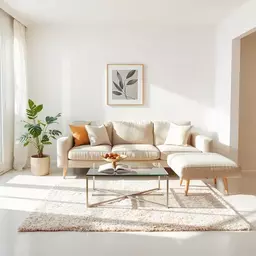
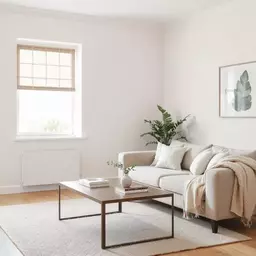
Decluttering contributes positively to mental health and organization. Here are the key benefits summarized visually.
A clear space leads to a clearer mind.
Fewer distractions help in minimizing anxiety.
An organized home saves time and energy!
Decluttering is more than just tidying up—it's about creating a peaceful environment that enhances our mental well-being. In Australia, where we embrace the outdoors and simple living, a clutter-free home can lead to a happier, more productive life. When we remove excess items, we create space for the things that truly matter, allowing us to enjoy our homes to the fullest! For more tips on maintaining a clear space, check out our guide on simple daily organization tips.
One of the biggest benefits of decluttering is the impact it has on our mental health. A tidy space can reduce stress and anxiety, helping us feel more relaxed and centered. By adopting a decluttered lifestyle, we also play a part in sustainable living, making conscious choices about the items we bring into our homes. It's a win-win situation that promotes both personal well-being and environmental responsibility!
Taking a room-by-room approach makes the decluttering process manageable and less overwhelming. It allows you to focus on one area at a time, making it easier to make decisions about what to keep and what to let go. Remember, it’s all about creating a home that reflects your lifestyle and values!
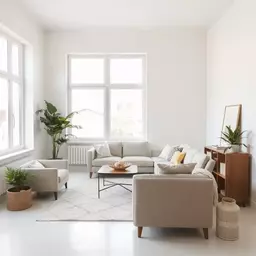
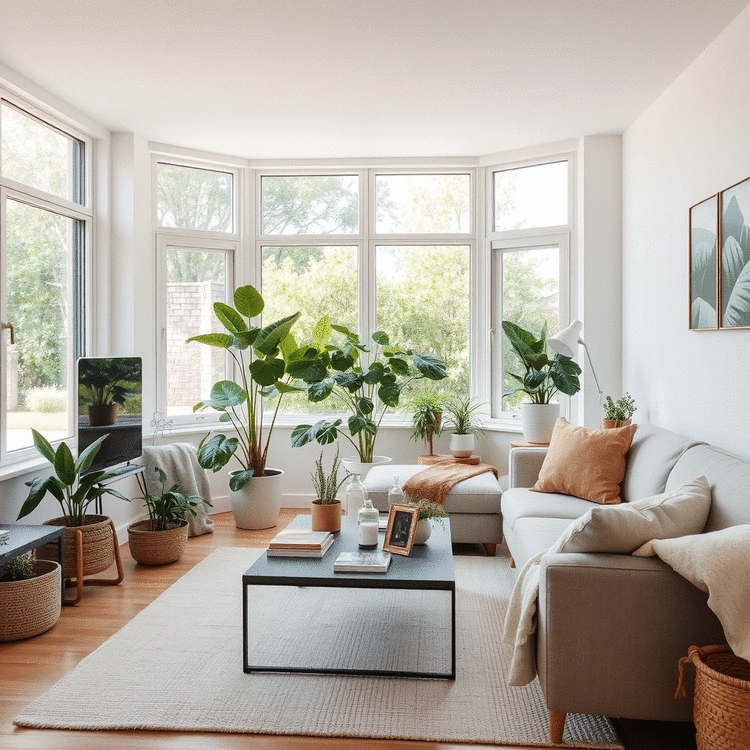
Let’s start with the living room, the heart of many Australian homes. Begin by tackling your entertainment unit. Clear out old DVDs, games, and devices you no longer use. Keep only the essentials that spark joy or serve a purpose. Next, focus on your coffee table and decorative items. If you have too many knick-knacks, consider displaying just a few favorites that tell your story. Our clutter-free living room guide offers more detailed advice.
Your kitchen is a hub of activity, so it’s essential to keep it organized. Start by decluttering your cupboards—remove expired items and donate unused appliances. A clean fridge is also important; toss out old leftovers and keep only what you need! Don’t forget about your BBQ gear. Having a designated spot for everything can simplify outdoor cooking.
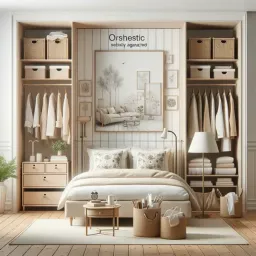
Your bedroom should be a sanctuary, and decluttering can help you create that peaceful ambiance. Start with your closet—do you really wear all those clothes? A good rule of thumb is to assess each item based on its wear frequency and emotional value. Keep items that you love and wear regularly.
Have you ever considered a capsule wardrobe? This concept revolves around having a small selection of versatile clothing that you can mix and match effortlessly. It minimizes decision fatigue and maximizes style! Imagine waking up and not having to sift through piles of clothes to find the perfect outfit. For further guidance on simplifying your wardrobe, explore our article on smart closet cleanout tips for Australia.
For many of us, the home office is where productivity thrives, so it’s vital to keep this space organized. Start by sorting through your papers. Create a filing system for important documents and shred anything outdated. Don’t forget about digital clutter! Regularly declutter your desktop and emails to maintain a streamlined workflow.
Your outdoor spaces deserve attention too! Start with the garage, a common area for clutter to accumulate. Create designated zones for tools, gardening supplies, and sports equipment. For your yard, organize garden tools in a shed or using wall-mounted storage. A tidy outdoor area invites relaxation and enjoyment!
Did you know? Setting a decluttering deadline can significantly enhance your productivity! Give yourself a specific timeframe—like a weekend or a month—to tackle different areas of your home. This creates a sense of urgency and helps you stay focused on your goals. Plus, it turns decluttering into a fun challenge!
Once you’ve taken the plunge into decluttering, it’s important to maintain that fresh, organized space! Creating a maintenance plan for household clutter is essential for sustaining organization over time. By establishing routines and making decluttering a habit, you can enjoy the benefits of a tidy home for the long haul.
Start by scheduling seasonal checks to reassess your belongings. These routine evaluations can help you identify items that may have slipped back into your life. Pair this with a regular purging routine—perhaps once every few months—to keep clutter at bay. Believe me, a little effort goes a long way in preserving your organized sanctuary!
As we dive deeper into a minimalist lifestyle, it’s natural to have questions! Many Australians wonder about challenges that come with decluttering and how to overcome common pitfalls. For instance, how do we deal with sentimental items that are hard to let go of? Or, what strategies can we adopt to ensure we don’t backslide into clutter?
Let’s address some of these concerns together. First, remember that it’s okay to hold onto some memories, but strike a balance by keeping only what truly adds value to your life. Secondly, consider implementing a “one-in, one-out” rule—whenever a new item comes in, an old one must go. This simple rule can help prevent excess accumulation! For a comprehensive guide on managing household waste during decluttering, check out our tips on rubbish removal.
Here are some frequently asked questions to help you on your decluttering journey:
Mindful consumption plays a crucial role in reducing waste and promoting sustainable living practices. It’s about being intentional with our purchases and thinking about how our choices impact the environment. In Australia, where we love our beautiful landscapes, embracing mindful consumption can help preserve the natural beauty we hold dear!
To practice mindful consumption, consider these strategies: ask yourself whether you truly need an item before buying, opt for quality over quantity, and support local businesses that prioritize sustainability. By making conscious choices, you contribute to a healthier planet while creating a more clutter-free home.
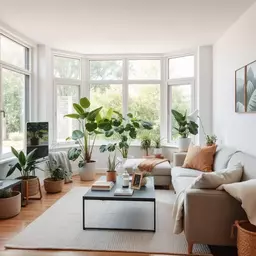
Embracing a minimalist lifestyle offers numerous psychological and emotional benefits, especially in the context of Australian culture. A clutter-free home can lead to a sense of calm and clarity, allowing you to focus on what truly matters. Imagine coming home to a serene space that invites relaxation rather than chaos!
Moreover, living minimally opens up room for experiences and connections with others. Instead of spending time managing clutter, you can invest your energy into adventures, family time, and personal growth. Trust me, it’s a refreshing way to live!
Supporting local businesses can enhance your decluttering and minimalism journey significantly! When you choose to shop local, not only do you contribute to the community, but you often find products that align with sustainable practices. This is a win-win for both you and the environment!
Look for businesses that provide eco-friendly storage solutions, sustainable home goods, and even decluttering services. These local gems can offer unique items that help keep your space organized while promoting a clutter-free lifestyle. Plus, you’ll be supporting your fellow Aussies in their entrepreneurial journeys!
Now that we’ve explored various strategies to maintain a clutter-free home, it’s time for you to take action! I encourage you to implement these tips and share your decluttering experiences with your friends and family. Remember, the journey towards a clutter-free lifestyle is best when it’s shared!
Connect with local community resources that promote sustainable practices and inspire others to join you in this fulfilling journey. Together, we can embrace a clutter-free lifestyle that enhances not just our homes, but our lives as well. Let’s do this, Australia!
Here is a quick recap of the important points discussed in the article:
Lara Whitfield
Decluttering expert. Lifestyle organizer. Australian simplicity advocate.
Lara Whitfield is dedicated to transforming cluttered spaces into serene, organized environments, empowering Australians to embrace a clutter-free lifestyle. Join her at ClutterFreeDownUnder.com for daily tips and tailored strategies that simplify your home and enhance your well-being.
Embrace the beauty of a clutter-free lifestyle with Lara Whitfield, your dedicated decluttering expert. Discover practical tips and tailored strategies to transform your home into an organized haven that enhances your well-being.