
Reduced Stress
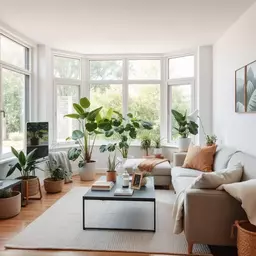
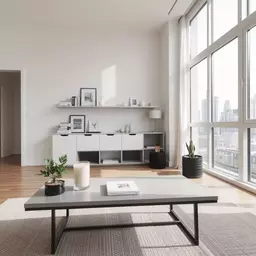
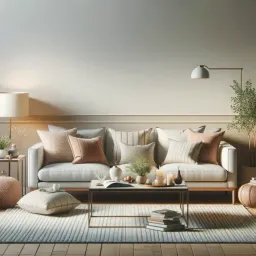
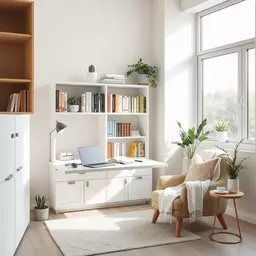
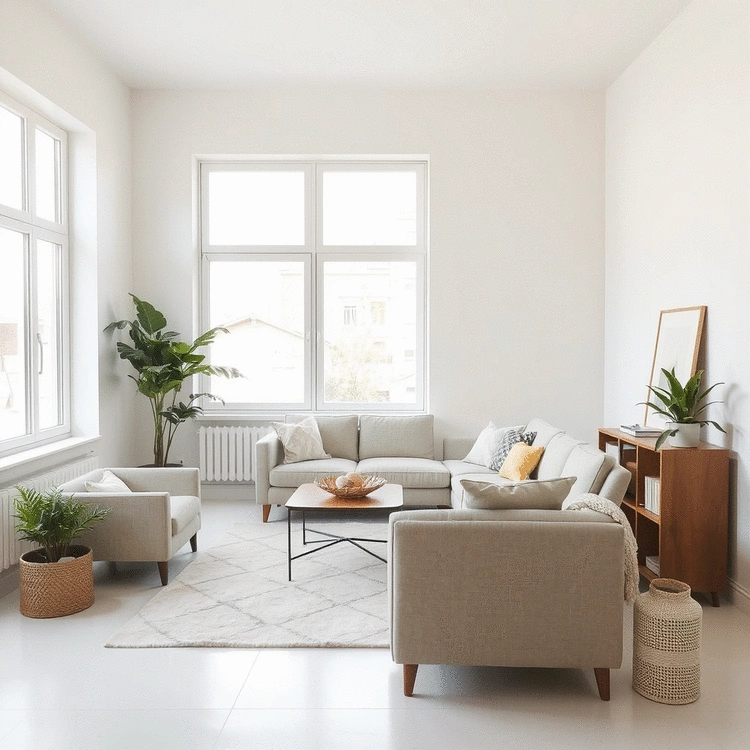
A tidy space can help calm the mind.
2026-03-29
Creating a clutter-free environment can dramatically improve both your physical space and mental well-being. Are you ready to transform your home into a sanctuary of peace and organization? This guide will equip you with essential strategies and insights to embark on your decluttering journey.
Creating a clutter-free environment offers numerous psychological and organizational benefits. Below, we highlight the key advantages:
A tidy space can help calm the mind.
Fewer distractions lead to greater focus on tasks.
Simplifying your environment encourages clearer thinking.
Living in an organized space can boost your overall happiness.
Have you ever walked into a room overflowing with items and felt instantly overwhelmed? Creating a clutter-free environment is essential not just for our physical space, but also for our mental well-being. At Clutter Free Down Under, we believe that a tidy home fosters clarity, ease, and a more serene lifestyle. For more insights on maintaining a tidy space, check out our simple daily organization tips.
In simple terms, a clutter-free home is one where every item has its place and is used regularly. This doesn’t mean you have to live like a minimalist or get rid of everything you own! Instead, it's about surrounding yourself with things that serve a purpose and bring you joy, making life feel lighter and more manageable.
A clutter-free home can be described as a space where unnecessary items have been removed, leaving only what is truly needed and cherished. This type of environment allows for better organization and a smoother flow in your daily routines. Imagine walking into your kitchen and finding everything in its designated spot—what a relief that would be!
Here are some characteristics of a clutter-free home:
Many people don’t realize just how much clutter can affect mental health. An overwhelming amount of belongings can lead to stress, anxiety, and even procrastination. By embracing minimalism, you can create a more peaceful environment that promotes relaxation and focus. This approach is central to achieving a clutter-free home the Aussie way.
Some key psychological benefits of a clutter-free lifestyle include:
At Clutter Free Down Under, I’ve witnessed firsthand how embracing a more minimalist approach can lead to significant lifestyle changes. By decluttering and simplifying, you not only transform your space but also create a more enjoyable atmosphere that can have a positive ripple effect throughout your life.
To make decluttering more manageable, try the "One In, One Out" rule. For every new item you bring into your home, commit to letting go of an old one. This practice not only helps control clutter but also encourages mindful purchasing habits!
Keeping your home clutter-free is an ongoing journey, and having the right engagement strategies can make all the difference! At Clutter Free Down Under, I believe that incorporating easy-to-use tools and resources can help you maintain your organized space over time. By utilizing checklists, downloadable resources, and visual inspiration, you can stay motivated and committed to your decluttering goals.
One effective way to keep yourself accountable is by creating a personalized 30-day maintenance plan. This plan can break down tasks into manageable chunks, allowing you to focus on one thing at a time. Let’s explore some key ways to enhance your decluttering experience!
Checklists are fantastic tools for keeping track of what needs to be done. They provide a clear roadmap for your decluttering efforts! Here are some ways you can use checklists effectively:
In addition to checklists, downloadable resources can be a game changer. Consider printable templates for each room in your home, guiding you through the decluttering process step-by-step. These resources not only keep you organized but also make the entire experience fun and interactive!
Establishing a 30-day maintenance plan is an excellent strategy to make decluttering a regular part of your life. Here’s how you can set it up:
Having printable checklists tailored for each room helps streamline the decluttering process! These checklists can include:
Feel free to customize these lists based on your unique needs and preferences. The more tailored they are, the more effective they will be in helping you remain clutter-free!
Visuals are powerful motivational tools. Seeing the potential of a clutter-free home can spark inspiration! Incorporating before-and-after images into your decluttering journey can serve as a constant reminder of what you’re working toward. For more powerful transformations, see our guide on rubbish removal essential tips.
Testimonials from families who have successfully embraced a clutter-free lifestyle can also provide encouragement and relatability. By sharing their stories, you can gain valuable insights into effective strategies and the emotional rewards of a tidy home!
Before-and-after images can truly illustrate the transformation a clutter-free home can achieve. Consider creating a visual guide that includes:
These visuals can be motivating and serve as a great reminder of the positive impact of your hard work!
Sharing real-life experiences can foster a sense of community and support. Consider featuring stories from families who have transformed their homes through decluttering. These accounts can highlight:
By learning from others, we can gain new perspectives and encouragement to keep moving forward on our own clutter-free journeys!
As I continue to share my passion for decluttering, I often encounter common questions that many people have regarding maintaining a clutter-free space. Let’s address some of these inquiries to help you feel more confident in your journey!
A: A clutter-free home features open surfaces, designated spots for every item, regularly assessed belongings, and clear pathways. It's about having only what is truly needed and cherished.
A: The psychological benefits include reduced stress, increased productivity, enhanced clarity, and an improved mood. A tidy space contributes to a calmer and more focused mind.
A: Sustaining a clutter-free home involves using engagement strategies such as creating a personalized 30-day maintenance plan, utilizing checklists and downloadable resources, and incorporating visual inspiration and testimonials.
A: Common psychological barriers include sentimental attachments to items, the fear of needing items in the future, and feeling overwhelmed by the sheer size of the task. Recognizing these barriers is the first step to overcoming them.
A: Effective sorting methods include the "Four-Box Method" (Keep, Donate, Sell, Trash), asking questions like "Does this spark joy?" or "When was the last time I used this?", and "Chunking" to break down items into manageable sections for easier decision-making.
Determining how often to declutter can depend on your lifestyle and the amount of clutter you tend to accumulate. However, here are some tips to consider:
Many people face psychological barriers that make decluttering challenging. Understanding these can help you overcome them:
Recognizing these barriers is the first step to conquering them!
Feng Shui is an ancient practice that focuses on harmonizing your environment. Implementing some Feng Shui principles can greatly enhance your home organization. Consider:
For more detailed advice on creating an organized space, explore our smart closet cleanout tips in Australia.
Sorting methods can vary from person to person, but a few effective strategies include:
By using these sorting methods, you can make the decluttering process smoother and more efficient! For more ideas on how to approach decluttering different areas, check out our room-by-room decluttering guide.
As we wrap up, let’s recap some of the effective strategies discussed for maintaining a clutter-free home:
Now is the perfect time to start your clutter-free journey! Embrace these strategies and transform your home into a sanctuary of peace and organization. Remember, I’m here to help you every step of the way at Clutter Free Down Under. Let’s create the clutter-free life you deserve!
Here is a quick recap of the important points discussed in the article:
Lara Whitfield
Decluttering expert. Lifestyle organizer. Australian simplicity advocate.
Lara Whitfield is dedicated to transforming cluttered spaces into serene, organized environments, empowering Australians to embrace a clutter-free lifestyle. Join her at ClutterFreeDownUnder.com for daily tips and tailored strategies that simplify your home and enhance your well-being.
Embrace the beauty of a clutter-free lifestyle with Lara Whitfield, your dedicated decluttering expert. Discover practical tips and tailored strategies to transform your home into an organized haven that enhances your well-being.