
Spring Cleaning
Set aside a day for a thorough clean. Involve kids by assigning them specific areas to tackle!
2025-12-18
Have you ever walked into a room and immediately felt more at ease? A clean and organized space can do wonders for both children and adults alike, fostering creativity and focus. In this guide, you’ll discover actionable strategies to help you and your children create a clutter-free environment at home, making daily life less chaotic and more enjoyable.
Effective strategies to keep your home organized throughout the year.
Set aside a day for a thorough clean. Involve kids by assigning them specific areas to tackle!
Before the holiday season, review toys and clothes to make space for new gifts.
Mid-year is perfect for sorting through school supplies and clothes, discarding what’s no longer needed.
As the kids head back to school, evaluate what’s accumulated over the break and sort through it together.
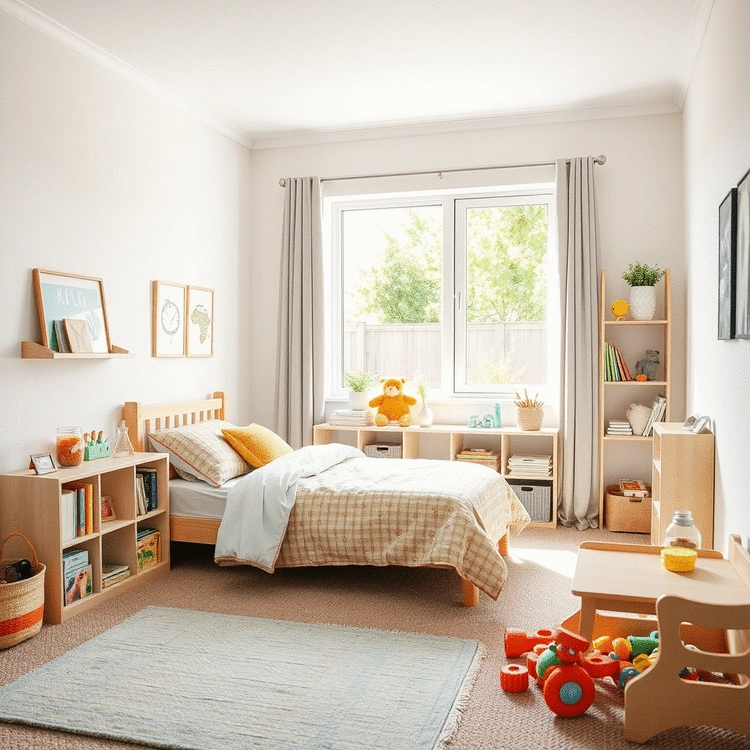
Have you ever noticed how a tidy space can help kids focus better? When children's rooms are clutter-free, they can think clearly and tap into their creativity! A clean environment contributes not only to their mental well-being but also encourages a sense of responsibility. For more tips on keeping your home tidy, check out these simple daily organization tips.
Less clutter means less distraction. This allows children to play, learn, and create in a space that feels peaceful. It’s amazing how a clean room can transform a child's mood and enhance their ability to concentrate on tasks, from homework to hobbies!
Moreover, a decluttered space fosters autonomy in kids. When they see their belongings organized, they become more likely to take initiative in keeping it that way. As parents, it's our job to guide them on this journey of creating a welcoming, organized environment.
Decluttering can be a challenge for many Australian families, especially those in urban areas where space is limited. The fast-paced lifestyle can make it hard to find time to tidy up, leading to clutter building up over time. Have you felt that struggle too?
Another hurdle is seasonal clutter, particularly during school holidays. Kids' rooms can quickly become overwhelmed with toys, art supplies, and sports equipment that accumulate after spending more time at home. This transient chaos can make keeping things organized feel like an uphill battle!
But don't worry! By understanding these common obstacles, we can brainstorm practical solutions that fit into our busy lives. Remember, creating a clutter-free environment for our kids doesn’t have to be a daunting task! Discover more Aussie tips for home decluttering to help you on your journey.
Let’s face it—getting kids involved in decluttering can sometimes feel like pulling teeth! But turning it into a game can make all the difference. Why not try the "Sorting Race"? You can set a timer and see who can sort their toys into the right bins the fastest. Kids love a challenge!
Another fun idea is the "10-Minute Tidy-Up Challenge." Set a timer for ten minutes and see how much they can clean up before time runs out. This adds excitement to the process and helps them develop a habit of tidying up quickly.
By keeping it light and fun, kids are more likely to embrace decluttering as a regular activity rather than a chore!
Using timers can be a game changer! Kids often respond well to visual cues, and integrating timers into their routine can create a structured environment. You might find that simple reminders, like “Let’s tidy up for 5 minutes,” can lead to significant changes over time!
Additionally, chore charts can help kids understand their responsibilities. By visually tracking their tasks, they can see their progress, which can boost their confidence and sense of accomplishment. Tailor the chores to be age-appropriate to ensure they feel manageable.
Incorporating these elements can help children develop routines that lead to lasting organizational skills. Watching them take ownership of their space is such a rewarding experience!
Here's a brief recap of the key points discussed so far:
As we dive into maintaining a clutter-free space, it’s important to remember that decluttering is not just a one-time event; it’s an ongoing journey! By implementing effective strategies, families can ensure that their homes remain tidy and organized over time. For Aussie families with busy schedules, adapting routines to fit the changing seasons can make all the difference.
As the school holidays and end-of-term breaks approach, many parents may notice an influx of items that tend to pile up. Seasonal decluttering can be a great way to reset your environment and teach kids the value of keeping things in order. Establishing flexible routines tailored to the specific challenges that come with each season can help everyone stay focused and engaged in the process.
When it comes to managing clutter during different times of the year, having a plan in place can make it easier. Here are some seasonal decluttering tips to keep your home organized:
These tips not only keep your home neat but also help kids learn responsibility and the importance of maintaining an organized space. Through these routines, you can effortlessly adapt to changing seasons while fostering a lasting habit of cleanliness.
Understanding child psychology can significantly aid in encouraging kids to embrace tidiness. Instead of forcing them, it’s essential to foster a positive attitude towards decluttering. Gentle encouragement and relatable rewards can shift their perspective, making the process enjoyable rather than burdensome. For more detailed guidance, consider exploring rubbish removal essential tips to manage unwanted items efficiently.
Here are a few strategies to help children develop habits for ongoing cleanliness:
By embracing these strategies at Clutter Free Down Under, you can help your children build lasting habits that encourage a clutter-free lifestyle, contributing positively to their mental well-being.
Visual aids can be a powerful tool in the decluttering journey, especially for kids. By documenting their progress, families can create a tangible reminder of how far they’ve come. This can serve as motivation to keep pushing forward!
Encouraging kids to participate in this process can be a great way to boost their engagement. Consider using before-and-after visuals in these creative ways:
Visual aids not only motivate kids but also provide a sense of ownership over their space, encouraging them to take pride in their organized environment.
It’s normal to have questions about decluttering kids’ rooms! Many families experience similar challenges, so let’s explore some frequently asked questions together:
By addressing these concerns and creating an open dialogue, you can ease the process and help your kids feel more comfortable with decluttering.
As we wrap up, I hope you see the incredible value in implementing these daily decluttering strategies! By maintaining a clutter-free home, you're setting the stage for your kids to thrive in a calm and organized environment. Remember, consistency is key—it doesn’t have to be perfect, just regular.
Let’s keep the momentum going! Start your decluttering journey today by choosing one strategy from this article to implement this week. Trust me, taking that first step can lead to a more serene and enjoyable home life for you and your family! For more ideas on managing clutter in various parts of your home, check out these room-by-room decluttering tips.
Here is a quick recap of the important points discussed in the article:
Lara Whitfield
Decluttering expert. Lifestyle organizer. Australian simplicity advocate.
Lara Whitfield is dedicated to transforming cluttered spaces into serene, organized environments, empowering Australians to embrace a clutter-free lifestyle. Join her at ClutterFreeDownUnder.com for daily tips and tailored strategies that simplify your home and enhance your well-being.
Embrace the beauty of a clutter-free lifestyle with Lara Whitfield, your dedicated decluttering expert. Discover practical tips and tailored strategies to transform your home into an organized haven that enhances your well-being.