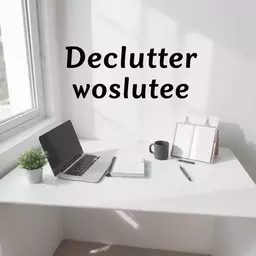

Enhanced Focus
With fewer distractions, you'll be able to concentrate better on your work.
2026-01-18
Did you know that a clean workspace can significantly boost your productivity and mental well-being? Transforming your home office from cluttered to organized not only enhances focus but also nurtures emotional health. Let's delve into how embracing a clutter-free environment can alter your work life for the better!
Discover the key benefits of decluttering your workspace that can enhance productivity and well-being:
With fewer distractions, you'll be able to concentrate better on your work.
A clear desk often means a clear mind, leading to improved task completion.
Decluttering can lower anxiety levels, making your workspace feel more manageable.
Completing the decluttering process gives you a fantastic sense of achievement.
A tidy space can lift your spirits and help you feel more positive as you work.
Have you ever found yourself overwhelmed by the clutter on your desk? You're not alone! A messy workspace can be a significant distraction, affecting your focus and productivity. At Clutter Free Down Under, I’ve seen firsthand how a tidy office environment can lead to greater efficiency and clarity in your work. Let's explore why it's essential to declutter your home office and how it can transform your day-to-day experience.
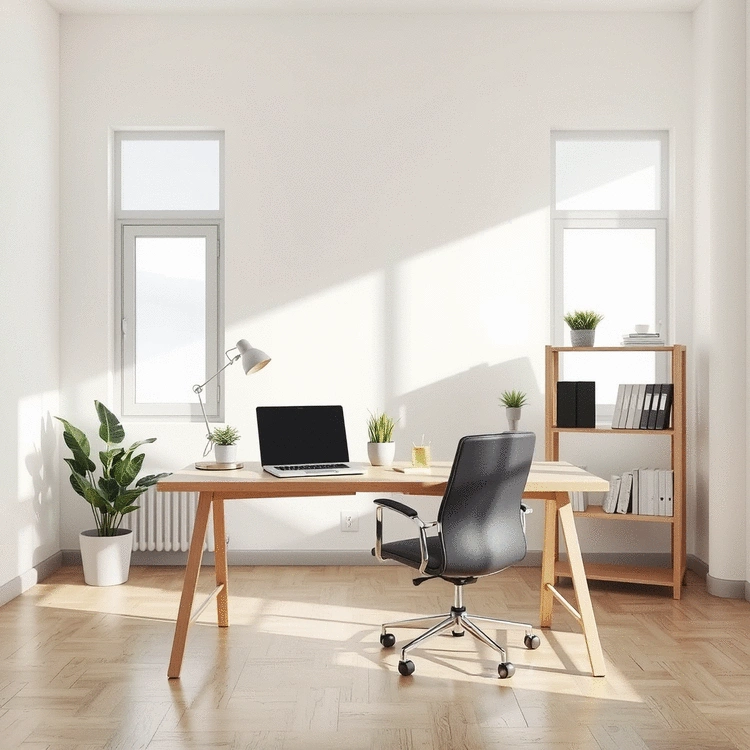
Decluttering your workspace is not just about aesthetics; it’s about creating an environment that promotes productivity. Studies have shown that a clean and organized desk can lead to better concentration and less stress. When everything has its place, you can find what you need quickly, allowing you to focus on the tasks at hand. So, say goodbye to distractions and hello to a more productive you!
Imagine sitting down at a desk where everything you need is within reach and easy to find. This is the magic of a clutter-free workspace. Research indicates that a tidy environment helps foster creativity and boosts motivation. When you eliminate unnecessary items, you reduce mental fatigue, allowing your brain to work more efficiently.
Here are some key benefits of a decluttered workspace:
Beyond the practical benefits, organizing your home office can also lead to significant emotional rewards. A cluttered space often contributes to feelings of overwhelm, while a neat environment promotes a sense of calm and control. When I work with clients at Clutter Free Down Under, I emphasize the importance of creating a space that feels good to be in!
Here are a few emotional benefits you might experience as you declutter your office:
Did you know? Incorporating a daily five-minute decluttering routine can significantly enhance your workspace! Dedicate just a few minutes at the end of each day to tidy up your desk. This small, consistent effort can prevent clutter from accumulating and maintain a productive environment.
Decluttering isn’t just about tidying up; it’s also about doing our part for the environment. At Clutter Free Down Under, we believe in implementing sustainable practices that not only benefit our homes but also our planet! By incorporating eco-friendly methods into your decluttering process, you can make a positive impact while enjoying a more organized space.
One of the first steps to consider is how you will dispose of the items you no longer need. There are several eco-friendly disposal methods that you can adopt:
By using these sustainable disposal methods, you’re not just clearing clutter; you’re also making a difference in your community and environment. And trust me, it feels great to contribute positively while decluttering your home. You can find more Aussie tips for home decluttering on our site.
When looking to dispose of items sustainably, it's essential to think about the best approach for each type of item. Here are some practical ways to handle unwanted goods:
Each of these options not only helps reduce clutter but promotes a more sustainable lifestyle, aligning perfectly with our mission at Clutter Free Down Under!
Why let unwanted items go to waste when you can give them a new life? Upcycling is a creative way to transform old items into something useful. Here are a few ideas to inspire you:
This not only minimizes waste but also allows you to personalize your space with unique items. Upcycling can be a fun project to undertake with family or friends, encouraging creativity while you declutter!
Decluttering can be an emotional journey, and it’s essential to understand the psychological barriers that may arise during the process. Many people feel attached to their belongings, which can make letting go difficult. It’s perfectly normal to experience this! The key is to recognize these feelings and address them constructively. For specific guidance on rubbish removal, check out our essential tips.
One common barrier is the emotional attachment we develop towards certain items. To combat this, try to ask yourself questions like:
By evaluating your attachments, you can make more informed decisions about what to keep and what to let go.
Emotional attachments can stem from memories associated with certain items. Sometimes, it helps to take a picture of the item instead of keeping it. This way, you preserve the memory without the physical clutter. Remember, it’s the sentiment that counts, not the object itself!
Overcoming decision-making paralysis is another hurdle many face when organizing. If you find it hard to decide what to keep or toss, consider applying mindfulness techniques. These can help reduce stress during the decluttering process, making it more manageable.
Mindfulness can be a powerful tool to ease the emotional weight of decluttering. Here are a few techniques to incorporate:
By practicing mindfulness, you’ll find that the process of decluttering can become less daunting and more enlightening.
A1: A decluttered workspace reduces distractions, allowing for better concentration and focus on tasks. When everything has its place, you spend less time searching for items, leading to improved task completion and overall efficiency.
A2: Organizing your office space can lead to a sense of accomplishment, reduce stress and anxiety, and improve your mood. A tidy environment promotes calm and control, fostering greater mental clarity and enhancing decision-making.
A3: Eco-friendly disposal methods include donating usable items to charities, recycling materials (like electronics, paper, and glass) through local programs, and composting organic waste. These practices help minimize landfill waste and benefit the environment.
A4: To overcome emotional attachment, ask yourself reflective questions like: "Does this item bring me joy?", "Have I used it in the past year?", or "Can I replace it easily if needed?". You can also take pictures of sentimental items to preserve memories without keeping the physical object.
A5: Mindfulness techniques such as deep breathing exercises before starting, setting a clear intention for your decluttering session (e.g., "to create a peaceful workspace"), and taking breaks when feeling overwhelmed can reduce stress and make the process more manageable and rewarding.
Here is a quick recap of the important points discussed in the article:
Lara Whitfield
Decluttering expert. Lifestyle organizer. Australian simplicity advocate.
Lara Whitfield is dedicated to transforming cluttered spaces into serene, organized environments, empowering Australians to embrace a clutter-free lifestyle. Join her at ClutterFreeDownUnder.com for daily tips and tailored strategies that simplify your home and enhance your well-being.
Embrace the beauty of a clutter-free lifestyle with Lara Whitfield, your dedicated decluttering expert. Discover practical tips and tailored strategies to transform your home into an organized haven that enhances your well-being.